

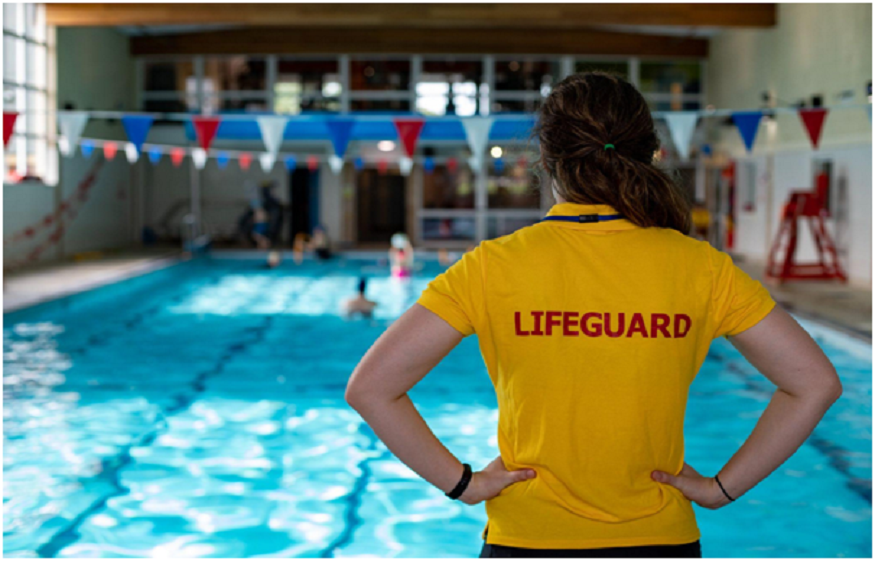
A lifeguard course is an essential training program designed to prepare individuals for the responsibility of protecting people in aquatic environments. From public swimming pools and water parks to beaches and lakes, lifeguards play a critical role in preventing accidents and responding to emergencies. A well-structured lifeguard course provides the knowledge, practical skills, and confidence needed to perform these duties effectively.
In the United States, thousands of individuals enroll in lifeguard course every year to begin careers in aquatic safety or gain valuable life-saving skills. These courses combine classroom instruction, hands-on rescue practice, and emergency response training to ensure participants are prepared for real-world situations.
What Is a Lifeguard Course?
A lifeguard course is a comprehensive training program that teaches participants how to identify hazards, prevent accidents, and respond to aquatic emergencies. The course focuses on both prevention and intervention, helping future lifeguards understand how to maintain a safe environment while remaining ready to act when emergencies occur.
Read More : Lifeguard Certification: Why Professional Training Is Essential for Water Safety
The training is designed to prepare individuals for the physical and mental demands of lifeguarding.
Successful completion of a lifeguard course often leads to certification, allowing participants to seek employment at aquatic facilities nationwide.
Why Lifeguard Courses Matter
Water recreation is one of the most popular activities in the United States, attracting millions of visitors to pools, beaches, and water parks every year. While these environments provide enjoyment, they also carry risks that require proper supervision.
Lifeguard courses help create a workforce of trained professionals capable of preventing accidents and responding quickly to emergencies. By teaching participants how to recognize signs of distress and perform effective rescues, these courses contribute significantly to public safety.
The knowledge gained during training extends beyond the workplace. Many lifeguards use their emergency response skills in everyday situations, helping friends, family members, and community members during medical emergencies.
Key Topics Covered in a Lifeguard Course
A quality lifeguard course includes several important areas of instruction designed to prepare participants for various aquatic settings.
Water Rescue Techniques
Rescue training is one of the most important components of a lifeguard course. Participants learn how to assist swimmers experiencing difficulty, perform active and passive victim rescues, and safely remove individuals from the water.
CPR and Emergency Care
Lifeguards are often first responders during medical emergencies. Training includes adult, child, and infant CPR as well as emergency care procedures for injuries and illnesses.
AED Training
Automated External Defibrillators can be life-saving tools during cardiac emergencies. Lifeguard courses teach participants how to operate AEDs safely and effectively as part of an emergency response plan.
Surveillance and Prevention
Prevention is a major focus of lifeguarding. Participants learn how to scan aquatic areas efficiently, identify potential hazards, and intervene before dangerous situations develop.
Teamwork and Communication
Effective communication is essential during emergencies. Lifeguard courses teach participants how to work as a team, coordinate rescue efforts, and communicate clearly with swimmers, staff, and emergency medical personnel.
Physical Requirements of a Lifeguard Course
Because lifeguarding requires strength, endurance, and swimming proficiency, most lifeguard courses include physical assessments before training begins.
Candidates are typically required to complete swimming tests, tread water for a designated period, and retrieve objects from the bottom of a pool. These prerequisites help ensure participants can safely perform rescue duties and complete course requirements.
Physical fitness remains important throughout a lifeguard’s career. Regular practice and conditioning help lifeguards maintain readiness for emergency situations.
Benefits of Completing a Lifeguard Course
A lifeguard course offers benefits that extend far beyond certification. Participants gain practical life-saving skills that can be used in professional and personal settings. Learning how to remain calm during emergencies and make quick decisions builds confidence and leadership abilities.
The course also helps individuals develop responsibility, discipline, and teamwork skills. These qualities are valuable in nearly every profession and can contribute to long-term career success.
For many students and young adults, lifeguarding provides a flexible employment opportunity while offering meaningful work that directly impacts community safety.
Career Opportunities After a Lifeguard Course
After completing a lifeguard course and obtaining certification, individuals can pursue employment at a variety of aquatic facilities. Opportunities exist at community pools, fitness centers, resorts, beaches, water parks, camps, and recreational facilities.
Some lifeguards choose to advance their careers by becoming swim instructors, aquatic supervisors, safety trainers, or facility managers. Others use their experience as a foundation for careers in healthcare, emergency medical services, firefighting, law enforcement, or public safety.
The skills acquired during lifeguard training are highly respected and transferable across multiple industries.
Choosing the Best Lifeguard Course
When selecting a lifeguard course, it is important to choose a program that offers comprehensive instruction and recognized certification. Prospective participants should look for courses led by experienced instructors that include both classroom learning and practical rescue training.
A strong lifeguard course should emphasize hands-on experience, realistic emergency scenarios, and ongoing skill development. Understanding certification requirements and renewal procedures can also help participants make informed decisions.
Read More : Step-by-Step Approach to Completing a Biology Assignment
Investing in quality training ensures that future lifeguards are fully prepared to handle the challenges of aquatic safety.
Final Words
A lifeguard course is much more than a training requirement it is a pathway to becoming a skilled and confident aquatic safety professional. Through instruction in rescue techniques, CPR, first aid, surveillance, and emergency response, participants gain the tools needed to protect lives and prevent accidents. Whether pursuing a career in lifeguarding or simply learning valuable life-saving skills, completing a lifeguard course is a meaningful step toward making aquatic environments safer for everyone.